
Sexual Politics Round-up in 2016
As 2017 begins, SPW highlights the main events and trends as well as tensions and challenges traversing sexual politics worldwide. January In January, the Zika

Sex Work, Violence and Megaevents
Sex workers are routinely subject to human rights violations by local authorities. State-sanctioned violations of human rights (such as the right to life, dignity, equality,
New online database of abstracts on abortion in Africa 2005-2016
The African Population and Health Research Centre in Kenya has put together a free online database of more than 600 publications related to abortion in

Reflections on Authoring the Chapter on Young Women for the 2016 Arab Human Development Report
Text by Nadje Al-Ali, Zahra Ali and Isabel Marler, originally published by Jadaliyya, on Dec 9, 2016. Avaliable here. After a long delay, the United
Partner for Law in Development’s newsletter
Here is the latest edition (Vol. 9 (IV) July- August 2016) of our bi-monthly newsletter – covering significant UN updates, international events, national judgments and policy related developments relating to gender, sexuality and culture that took place in the months of July and August.
Sex work at the Olympics Games: report
Originally from Prostitution Policy Watch ——————- Once again, Rio de Janeiro has hosted a sporting mega-event, this time the 2016 Olympic and Paralympic Games. And once
Report on sex work activism
The International Committee on the Rights of Sex Workers in Europe (ICRSE) has launched its 2015 report that offers detailed description about its campaigns, resources,
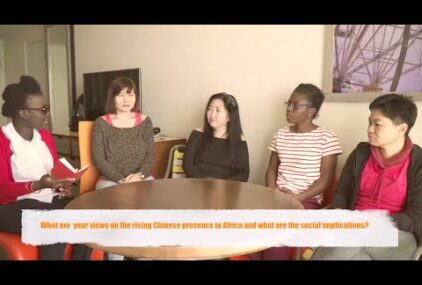
Why gender and sexuality are central to China’s relationships with the Global South
China’s interactions with the global South have been the subject of much attention and study from both inside and outside the country. Yet issues of gender and sexuality have been largely ignored.

Uprooting Whorephobia: Why We Must Change the Stigma of Sex Work
Counting money on a bed is taboo in my family. Growing up, I never fully understood why but I suspected it was another one of our countless every day South American customs that ensured we were in right relationship with the spirit world.
Why don’t humanitarian organizations provide safe abortion services?
Although sexual and reproductive health services have become more available in humanitarian settings over the last decade, safe abortion services are still rarely provided. The authors’ observations suggest that four reasons are typically given for this gap: ‘There’s no need’; ‘Abortion is too complicated to provide in crises’; ‘Donors don’t fund abortion services’; and ‘Abortion is illegal’.