
Far-Right’s electoral victories in Colombia and Germany and their effects
This mini newsletter has been published during the week of October 19th as Brazil heads toward the runoff of a decisive presidential election, the results of which will determine the future of democracy in the country. It discusses the first round of voting but also contextualizes the Brazilian election in relation to two other electoral events. The first is Colombian presidential elections held in June; the other, farther afield, is the German state elections that took place in September. This editorial choice seeks to underscore, once again, that what is happening in Brazil—while it may have its own unique characteristics—is not exactly exceptional.

What Do the AfD’s Successes in Germany’s Recent State Elections Mean?
The recent state elections in Germany have confirmed a profound transformation of the country’s party system: the Alternative für Deutschland (AfD) is no longer a marginal political force and has established itself as one of the main electoral vehicles of the German far right. In Mecklenburg-Vorpommern, in the northeast of the country, the AfD emerged from the September 20, 2026, elections as the party with the most votes, with 38.2% of the vote, ahead of the Social Democratic Party (SPD), which received 35.5%. This marks a significant break with the country’s recent political history, as the SPD had been the leading party in every state election since 1998. By Alrik Schubotz.

COVID-19 and contradictory contestations: anti-lockdown protests
Berlin protests against coronavirus rules divide German leaders – The Guardian Neonazistas, conspiracionistas e antivacinas marcham an Alemanha pelo fim do isolamento – El País
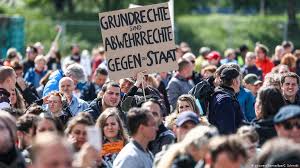
Paradoxes and dangers of anti-lockdown protests
A summary of the article “Corona protests: The cross front for trivialization” authored by Nils Markwardt and published at Die Zeit in May 2020. By

Contradictory contestations: anti-lockdown protests
English Germany Politicians worry about radicalization at anti-lockdown protests – Deutsche Welle US Tea Party 2.0: What the Reopen Protest have in common with the

Sexual Politics 2017 Round-Up
As 2018 begins, SPW highlights the main events and trends as well as tensions and challenges traversing sexual politics worldwide. Trends and Facts January In
Sexual Politics in September 2017
September is the key moment of the year in regard to abortion rights, as the 28th marks the International Safe Abortion Day worldwide. As informed
Germany legalizes same-sex marriage: news
German Parliament Approves Same-Sex Marriage – New York Times At long last, Germany’s bells are ringing for same-sex marriage – The Guardian All of Germany’s
Global and regional issues highlighted by SPW on October
In October 2013 our main themes were the following: On October 10, activist Gabriela Leite, who devoted her life to fight for the rights of
The limits of German law allowing a “new third-gender”
Read New Statesman’s article about a German law that lets a birth certificate to be left blank in cases where the child is neither male