
Far-Right’s electoral victories in Colombia and Germany and their effects
This mini newsletter has been published during the week of October 19th as Brazil heads toward the runoff of a decisive presidential election, the results of which will determine the future of democracy in the country. It discusses the first round of voting but also contextualizes the Brazilian election in relation to two other electoral events. The first is Colombian presidential elections held in June; the other, farther afield, is the German state elections that took place in September. This editorial choice seeks to underscore, once again, that what is happening in Brazil—while it may have its own unique characteristics—is not exactly exceptional.
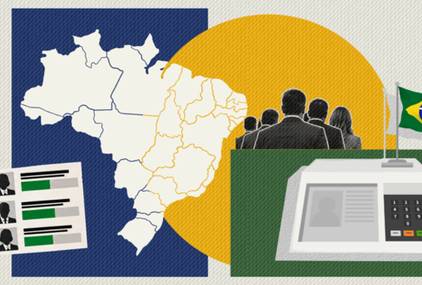
Presidential Elections in Brazil: Significant Gains for the Far Right
Far-right candidate Flávio Bolsonaro, of the Liberal Party (PL), finished the first round ahead of President Luiz Inácio Lula da Silva, of the Workers’ Party (PT): 47.03% versus 45.16% of valid votes. The two will face off again on October 25. The PL now holds the largest blocs in both the Chamber of Deputies and the Senate, and whoever wins will govern with a Congress dominated by the far right. The race for the Federal Supreme Court is also at stake, as the next president will appoint four justices to the Court.
Sexual Politics from April to July 2026
For this issue we once again invited Fabeni to a conversation as to hear him about the complicated geopolitics of the new papacy – particularly the open confrontation with Trump – but also prospective directions of current Vatican´s LGBTQI+ politics.

Behind the Scenes of the Senate’s Approval of PDL 3 — An Interview with Laura Molinari
To discuss the process that led to the approval of PDL 3, as well as to assess the political landscape following the vote and the future challenges facing the movement for abortion rights in Brazil, we interviewed Laura Molinari, co-coordinator of the “Neither Imprisoned Nor Dead” Campaign.

The new dimensions of anti-gender politics in Brazil: report
This brief report was prepared by ANTRA-SPW-NUH/UFMG to inform the international public about these developments, which occurred immediately prior to the ILGA LAC Conference. It recaps and synthesizes the findings of recent reports on the current state of anti-gender politics in Brazil, with a special focus on the growing role of feminist currents that exclude trans people in the Brazilian context.
Mixed Signals: Gender Politics in March 2026
For several decades now, March has been the month when women’s rights are celebrated. The original intent of this newsletter was to draw attention to the mixed and disturbing signals we observe in the troubled landscape of March 2026.

Blurred Boundaries: English summary
This paper examines the emergence, consolidation, and political effects of antigender and trans-exclusionary feminist currents in Brazil between the 2010s and mid2020s, as mapped in Fronteiras Borradas: Movimentos Feministas e de Mulheres e Política Antigênero no Brasil (2025).
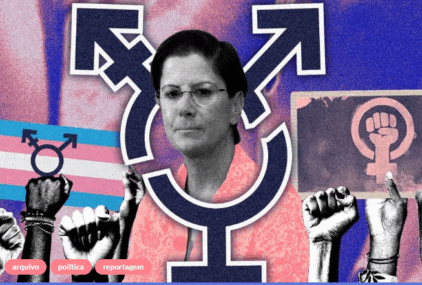
UN rapporteur promotes transphobia during Brazil visit
In meetings at the Supreme Court, Congress, and Brazilian universities, Reem Alsalem made anti-trans statements and was criticized by feminist and LGBTQIAPN+ organizations. By Dany Avelar (AzMina website), translated by SPW.
Sexual politics in the global disorder of 2025
This is our second and latest bulletin of 2025. It offers a broad overview of events and trends in gender, sexuality, and abortion policy throughout the year to complement the analysis developed in July that addressed the policies implemented by the Trump’s second administration and the US landscape.
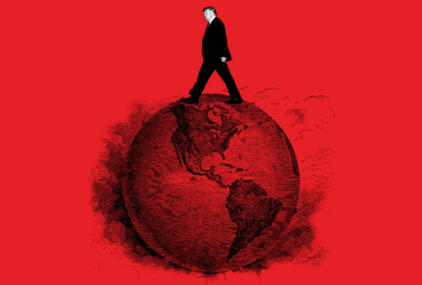
Regional and global effects of the US attack on Venezuela: compilation
Since we released our second 2025 bulletin, last December, the world has gotten worse. What happened in Venezuela on January 3, with the capture of Nicolás Maduro by US military forces in Caracas and his imprisonment on US territory, has radically altered the world order, with effects far beyond Latin America.