
India rolls back trans rights: compilation
The Transgender Bill Doesn’t Amend Rights, It Erases Us – Article 14 Architecture of Erasure: How the Transgender Amendment Bill 2026 erases those it claims

Transgender women and intersex persons banned from Olympic women competition: compilation
English Statements and resources The International Olympic Committee polices women and girls and fails them – Ilga Olympics: Sex Testing Harms All Women and Girls
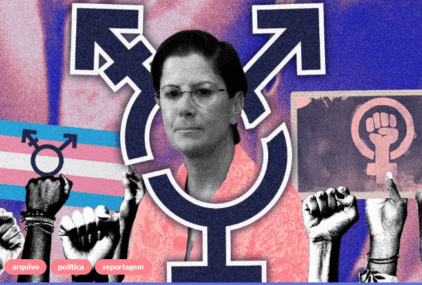
UN rapporteur promotes transphobia during Brazil visit
In meetings at the Supreme Court, Congress, and Brazilian universities, Reem Alsalem made anti-trans statements and was criticized by feminist and LGBTQIAPN+ organizations. By Dany Avelar (AzMina website), translated by SPW.
Sexual politics in the global disorder of 2025
This is our second and latest bulletin of 2025. It offers a broad overview of events and trends in gender, sexuality, and abortion policy throughout the year to complement the analysis developed in July that addressed the policies implemented by the Trump’s second administration and the US landscape.
Global Gag Rule expanded by Trump’s administration: explanatory summary
On January 22, Trump’s administrarion announced it was suspending the funding for foreign organizations that promote diversity, equity, and inclusion initiatives. SPW summarized the main changes, which expand the restrictions set by the Mexico City Policy and will have many ramifications. Check it out below:
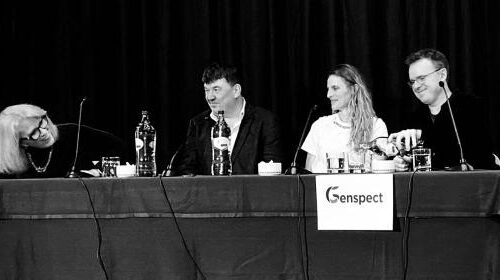
Transsexuality in the eyes of Genspect
Genspect was founded in 2021 by Irish psychotherapist Stella O’Malley. As will become clear later, it is based on a conservative ideology. Insidiously, it disrespects the transgender community and undermines their rights—namely, the right to undergo medically assisted gender transition—which is in clear dissonance with the current values of integration and acceptance of this group.

VIDEOS: Inhabiting the Crack: strategies of resistance in the face of authoritarianisms
The Diálogos Pendientes y Emergentes (Pending and Emerging Dialogues) space is a joint initiative of five organizations working on gender, sexuality, and reproductive justice issues in Latin America: the Sexuality and Politics Watch (SPW), Akahatá, Promsex, Puentes, and Synergia.

Quantico 2025 military meeting: compilation
Patton for Dummies – The Dispatch The Nuremberg Clown Rally – Discourse Blog Pete Hegseth’s “Warrior Ethos” Is Just the Closet in Camouflage – Them
SPW Activities and Products in 2025
Throughout 2025, SPW participated in several national and international events and, together with new and old partners, promoted debates and launched new publications.

“Blurred Boundaries” maps the ecosystem of essentialist feminisms and their relationship with the anti-gender field
The Sexuality Policy Watch (SPW), the Center for LGBT+ Human Rights and Citizenship at the Federal University of Minas Gerais (NUH/UFMG), and the National Association of Travestis and Transsexuals (ANTRA) have released the research report “Blurred Boundaries: Feminist and Women’s Movements and Anti-Gender Politics in Brazil,” which is also supported by Ação Educativa, Cladem Brasil, Criola, Ipas Brasil, and the Nem Presa Nem Morta campaign.