

Politics, abortion, sexuality in Brazil (2015-2016) : A compilation
Between May 2015 and September 2016, Sexuality Policy Watch has produced monthly brief reports on the Brazilian politics of abortion and sexuality in its connections

Sexual politics in June 2016
The proposal launched in May by the LAC 5 countries for the creation of a Special Mandate on Human Rights and Sexual Orientation and Gender
The Lancet: Can India transition from informal abortion provision to safe and formal services?
The past three decades brought important developments to the area of women’s access to abortion, especially with the advent of medical abortion methods. However, the
Analysis of the US Supreme Court decision to struck down Texas anti-abortion law
A Major Victory for Abortion Rights – New York Times The Facts Win Out on Abortion – Linda Greenhouse – New York Times The Supreme
Women Enabled International’s talking points on Zika from an intersectional women’s rights and disability rights perspective are now available in Spanish and Portuguese
As we all know, the news is filled with discussions regarding the Zika virus, microcephaly, access to abortion, and women’s sexual and reproductive rights—sometimes from
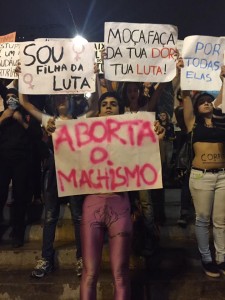
Sexual politics in May 2016
As the Brazilian crisis continues unfolding it gets increasingly intricate with gender and sexuality politics. Read Sonia Corrêa and Fábio Grotz report on what happened
Brazil: The conservative restoration and sexual politics
It is not exactly to keep track of the Brazilian political development these days. On May 11th, the Brazilian Senate confirmed the admissibility of the impeachment of President Dilma Rousseff, which had been approved by the House on April 17th.
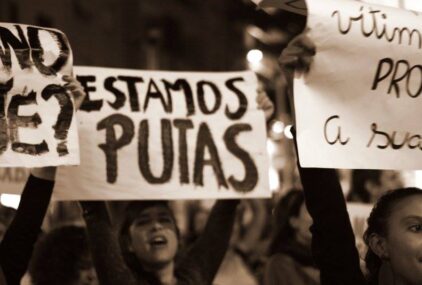
Brazil and Argentina unite in protest against culture of sexual violence
Two different protests, two different countries, but the same continent and the same cause: violence against women in “macho” Latin America.
‘Illegal, but they’re everywhere’: How women help other women get abortions
In Indonesia, where abortion is illegal, many women undergo unsafe abortions putting their lives at risk. Other times, they are forced by doctors to engage in sexual intercourse in exchange for an abortion.
Telling women to avoid pregnancy is not a solution for HIV and the Zika virus
To the development community on International Day of Action for Women’s Health: don’t curtail our rights by legitimising conservative religious ideologies.