

Brazilian Supreme Court opinion re-ignites the abortion rights debate
In the midst of the conservative restoration that has swept Brazil in 2016, on November 29th, the First Chamber of the Brazilian Supreme Court – in which five of the eleven judges have a seat – has issued, an unexpected decision arguing in favor of decriminalization of abortion
Diverse voices: civil society at the 8th BRICS summit
By Laura Trajber Waisbich . As a first exercise, we will give a brief background to how social participation has been played out in the BRICS. After one full cycle of BRICS chairmanships, since South Africa joined the group in 2011, civil society engagement with the BRICS (both at the national level and internationally) has evolved significantly, albeit in a setting constantly full of obstacles.
The controversy surrounding gender: a central question of (sexual) politics in Colombia
By Mara Vivero. In this text I will present some elements on gender ideology, its antecedents and contemporary uses and secondly I will refer to the Colombian case, as one of the cases in which the term “gender ideology” has been used as part of a conservative rhetorical strategy to the constant interfaces between religious and political sectors that oppose the changes that have occurred in society in terms of gender and sexuality.
Brazilian Supreme Court decision re-ignites the abortion rights debates
In the midst of the conservative restoration that swept Brazil in 2016, the First Chamber of the Brazilian Supreme Court, where five of the eleven
Local Representation and Party Politics: Transexual and Travesti Candidates in Brazil
At a time in which electoral processes are undermining democracy not only in Brazil, but also in many other countries, electoral results can give in sight to many questions regarding the foundations of the democratic process.
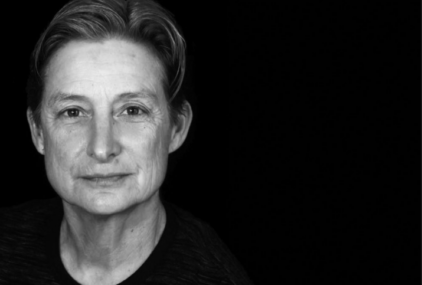
US Elections: A statement from Judith Butler
There are two questions that voters in the US from the left of center are asking themselves: Who are these people who voted for

The Sexual Politics in September and early October 2016
Last month a large number of events took place across the globe to mark September 28th as the Global Day of Action for Access to
September in Brazil: retreats and resistance
September 2016 began under the government of Michel Temer, whose intermediary presidency governed Brazil from May to August while awaiting the results of the impeachment
Vitit Muntarbhorn: new UN investigator to protect LGBT
The UN Human Rights Council has nominated its first independent investigator aimed at protecting people in regard to sexual orientation and gender identity across the

Emerging Powers, Sexuality and Human Rights at the AWID Forum
The session examined how the geopolitical shifts implied in the articulation of these global South countries in new blocs, especially the BRICS, has generated expectations that this emergence of “powers from the South” would eventually open up space for new platforms for the political work on sexuality, gender and human rights, that would not be caught by overlapping North-South tensions (or post-colonial effects) that perennially cross these fields of debate.