

Sexual Politics in March and early April 2017
In March and early April, the abortion frontline in Latin America has been remarkably eventful, in positive ways. In Bolivia, the proposed revision of abortion
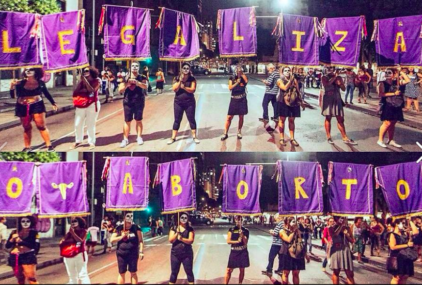
Brazil: Abortion rights at the Supreme Court
The criminalization of abortion by the 1940 Brazilian Penal Code is incompatible with women’s fundamental rights enshrined in the 1988 Federal Constitution. This premise grounds the petition presented to the Supreme Court (STF), on March 7th 2017

Brazil: Abortion lawsuit at the Supreme Court
By Sonia Corrêa On March 7, a lawsuit (ADPF 442) was filed at the Brazilian Supreme Court to challenge the constitutionality of the Penal Code’s
Sexual Politics in February and early March 2017
There are many events to be reported in regard to abortion rights in February and early March 2017. The most important comes from Brazil where
Diversity in the Constitution of Mexico City
by Gloria Careaga* Differently from other Mexican states, Mexico City, the Federal District of the Republic, did not have its own Constitution until February 5th,
Sexual Politics in January 2017
In January, the first and foremost events to be reported are avalanche of draconian and regressive policy measures adopted in the chaotic first two weeks

The Trumping of global sexual politics: a preliminary assessment
By Sonia Corrêa In the first two weeks of his administration Donald Trump has opened a can of worms spreading around draconian and regressive conservative
The Women’s March on Washington was inevitable
With endorsement of the Republican Party, the Trump campaign openly disrespected and insulted more than half of the US population and this led to what can be described as a “pressure cooker effect”. After months of an unprecedented election season when Hillary and all women were mistreated by the candidate — who felt entitled to abuse his position– and sometimes also by the press; after outrageous remarks and threats to attack immigrants, Muslims, Mexican-Americans and the entire American population of African descent, the build up of outrage was steaming from coast to coast.

Sexual Politics Round-up in 2016
As 2017 begins, SPW highlights the main events and trends as well as tensions and challenges traversing sexual politics worldwide. January In January, the Zika
Sexual Politics in late October and November 2016
November began with a resounding shift in global politics: Donald Trump was elected president of the United States. As the reactions flooded through the world